1
Jump to content
(Link opens in a new tab)
Jump to footer
(Link opens in a new tab)

How the North Celebrates Life

Festivals & Traditions Throughout the Year
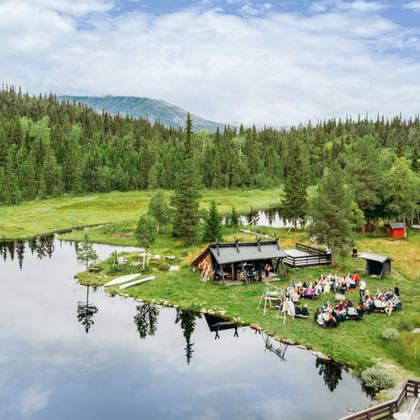
Aerial view of outdoor gathering by a calm lake in Hemsedal Kommune. People seated around wooden cabin, surrounded by green forest and mountains.

A cycling vacation in the North reveals far more than enchanting landscapes, storybook villages, and regional flavors. It offers a genuine connection to the people, their culture, traditions, and way of life. In Scandinavia, these customs are deeply rooted and remain an essential part of everyday life. Whether traveling through Sweden, Norway, or Denmark, the journey unfolds with breathtaking nature and meaningful glimpses into the festivals and rituals that shape the year. Here’s a closer look at the traditions that bring the North to life.

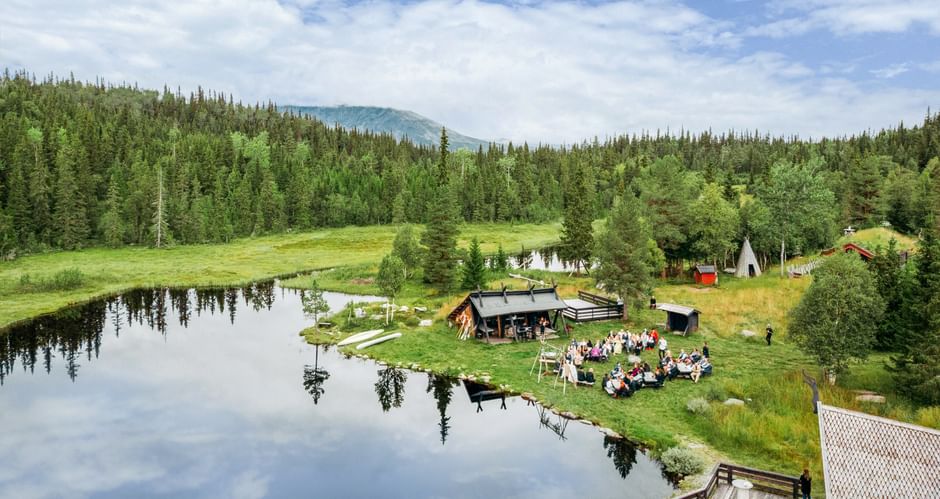
Aerial view of outdoor gathering by a calm lake in Hemsedal Kommune. People seated around wooden cabin, surrounded by green forest and mountains.

5 Things to Know About Scandinavian Traditions

Light and Darkness

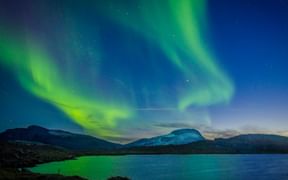
Light and darkness lie at the heart of many Scandinavian traditions. Long, dark winters and bright summer days shape life in the North and have given rise to a wide range of rituals and customs. 

Green aurora borealis dancing across the night sky above a lake and mountains in Abisko National Park, Sweden.

Traditions with Ancient Roots

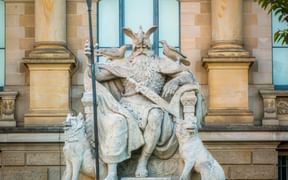
Many Scandinavian traditions date back to the Viking Age, between the 8th and 11th centuries, when life was deeply connected to Norse mythology. As Christianity spread, ancient rituals blended with new influences, shaping many of the customs and festivals celebrated today.

Stone statue of Odin seated on a throne, holding a spear, flanked by two wolves at the base and two ravens on his shoulders, set against a sandstone building.

Nature in Focus

The Scandinavian connection to nature is reflected in local customs and celebrations. Alongside Sweden’s most famous holiday, Midsummer, Walpurgis Night is also celebrated outdoors, bringing people together to enjoy the natural landscape.

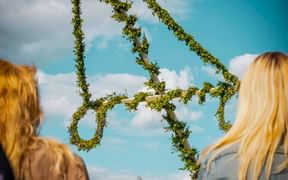
Two people with blonde hair viewing a decorated Midsummer pole from below against a blue sky with white clouds.

Community at the Heart

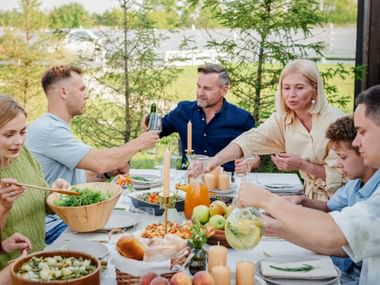
Across Scandinavia, one thing stands out: community takes center stage. Celebrations are almost always shared, strengthening connection and togetherness. At their core, these traditions are about coming together.

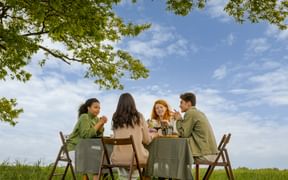
Four friends sitting at a table outdoors in a green meadow under a tree, enjoying a summer meal together under blue sky with clouds.

A Rich Variety of Traditions

While Sweden, Denmark, and Norway share many customs, each country also celebrates in its own distinctive way.

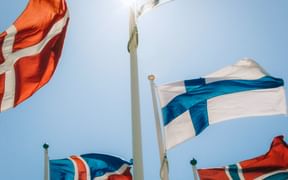
Multiple Nordic flags including Danish, Swedish, Finnish, and Icelandic flags waving against a clear blue sky with bright sunlight.

Spring: A Season of Renewal

The Vasaloppet

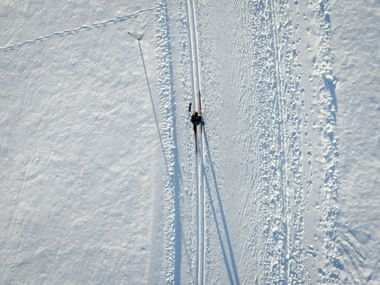
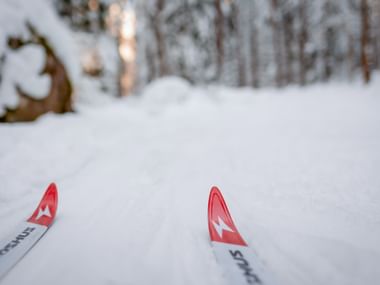
Each year on the first weekend of March, Sweden hosts one of the world’s most iconic cross-country ski races—the Vasaloppet. The course stretches about 56 miles (90 kilometers) from Sälen to Mora through the scenic Dalarna region. Its origins trace back to the flight of Gustav I Vasa in 1521, a pivotal moment in Sweden’s path to independence. 

Aerial view of a lone cross-country skier on a groomed snow trail with parallel tracks and footprints visible in the white landscape.

The Mystical Walpurgis Night

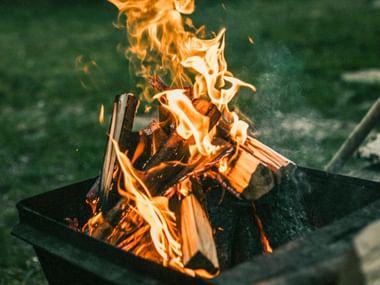
Walpurgis Night is a traditional spring festival in Sweden, celebrated every April 30th with large bonfires. Deeply rooted in nature traditions and ancient beliefs, it symbolizes the victory of light over darkness and is also associated with fertility and renewal. Through fire and song, people are believed to drive away evil spirits and welcome spring.

Bright orange flames rising from burning wood logs in a black metal fire basket against a blurred green background.
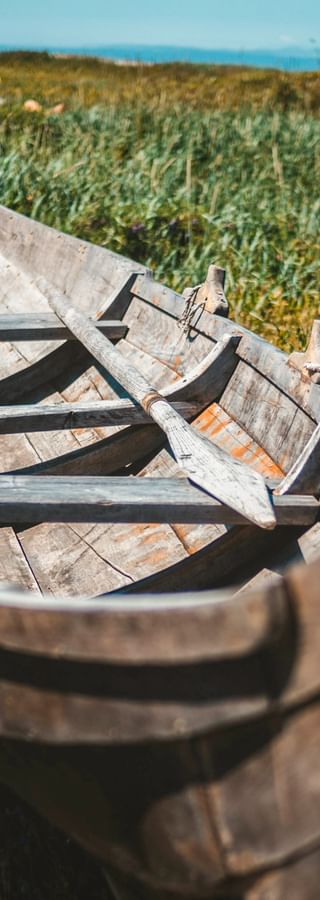
Weathered wooden fishing boat with visible ribs resting on coastal grassland. Green reeds and blue sky visible in background.

Norse Mythology

In Scandinavian history, Norse mythology is deeply rooted. Before the Christianization of the North, people believed in gods, giants, and trolls—figures still present in many stories today. Among the most well-known are Odin, the All-Father, and Thor, the god of thunder and protector of humankind. These mythological worlds continue to shape Scandinavian culture today. 

Summer: The Peak of Life

A Midsummer Dream

Midsummer is a traditional Scandinavian celebration held on a Saturday between June 20th and June 26th. The evening before, Midsummer’s Eve, is the true highlight. Celebrations take place outdoors, surrounded by nature, as the nights remain bright. Alongside Christmas, Midsummer is one of the most important holidays of the year.

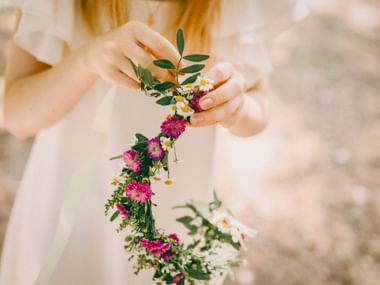
At its heart, it is about lightness, connection to nature, and togetherness. With family and friends, people celebrate life and the warmth of summer. Flower crowns, the decorated Midsummer pole, and traditional foods create a truly unforgettable atmosphere. 

Person in white dress holding a handmade floral wreath with pink flowers, white daisies, and green foliage.

The Swedish Crayfish Party

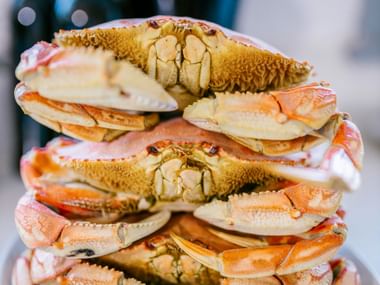
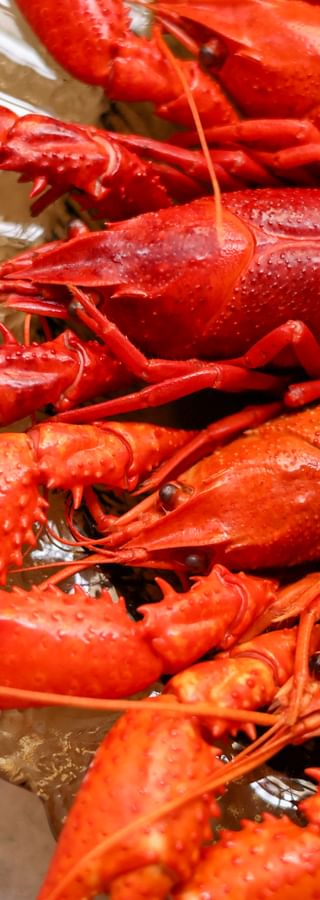
Since the 19th century, Sweden has celebrated the traditional crayfish party, known as kräftskiva, in early August. The origins of this festive tradition trace back to a former fishing ban: until 1994, catching crayfish was prohibited from November through early August. As a result, locals eagerly awaited the official start of the crayfish season each year and would celebrate the first catch with what is now known as the crayfish party.

Although the ban no longer exists, the celebration has lost none of its significance. Today, people still gather in lively, social settings to enjoy seafood delicacies and to honor this cherished tradition. 

Stack of cooked crabs with orange-pink shells and beige claws, displayed at a Nordic crayfish festival celebration.
Several bright red cooked lobsters arranged on a silver platter, garnished with fresh green dill. The lobsters display their claws prominently.

Did you know...

Crayfish only turn red when they are cooked. In their natural environment on the seabed, their coloration provides perfect camouflage, helping them avoid being easily spotted. These delicious freshwater crayfish are typically prepared with salt, sugar, dill, and beer—and are traditionally eaten cold.

The celebration is accompanied by lively drinking songs and schnapps, which are an essential part of the festivities.


Winter: Light in the Darkness

The St. Lucia Festival

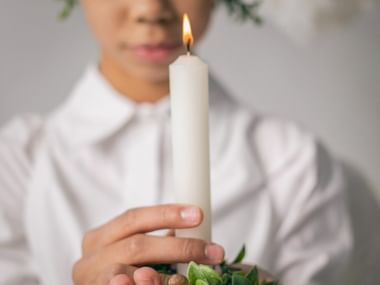
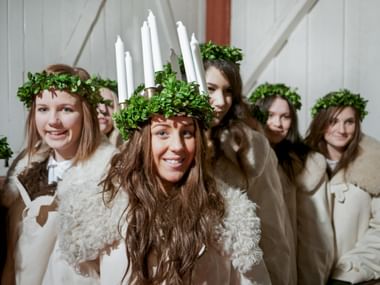
The St. Lucia Festival honors Saint Lucia. According to legend, Lucia of Syracuse secretly brought food to Christians while they were hiding in the Roman catacombs. Since she needed both hands to carry the food but still wanted to light her way, she wore a crown of candles on her head—so the story goes.

Today, the festival is mainly celebrated in Sweden, Denmark, and Norway. Each year on December 13th, a procession of singers dressed in white robes moves through churches, schools, and towns. The group is led by Lucia herself, while glowing candles brighten the dark winter season and songs fill the air. 

Group of girls in white robes with green wreaths. The front girl wears a crown with seven white candles, smiling at the camera.

Swedish Christmas

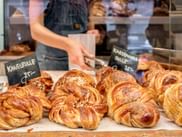
The most important holiday in the Nordic countries is celebrated on Christmas Eve, with a strong focus on family. In Sweden, preparations for Christmas begin as early as November. These include traditional Christmas baking such as julkaka and the popular lussekatter — a Scandinavian saffron pastry with a wonderfully sweet aroma.

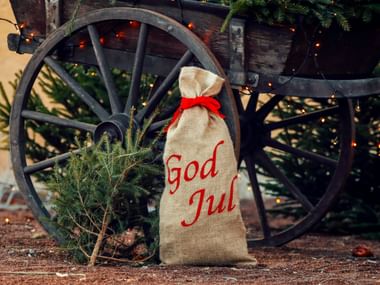
A particularly charming tradition involves the little Christmas elves known as tomtar. They are believed to help families with preparations during the Advent season and are rewarded on Christmas Eve with a bowl of rice porridge (risgrynsgröt), which is placed outside the front door. In many countries, Christmas gifts are delivered by different figures or traditions. In Sweden, this role belongs to the Jultomte. It is a heartfelt tradition that delights both children and adults alike.

Beige burlap sack with red 'God Jul' text and ribbon beside a small evergreen tree, positioned in front of a rustic wooden wagon wheel.

The most beautiful cycling tours in the North

Why wait? Your 2027 cycling holiday starts today!
Discover now & book
/en/cycling-holidays/2027
Top Tours 2027 bookable

Immerse yourself in the Italian dream of la dolce vita, or let yourself be drawn along the beautiful Blue Danube—your next dream cycling tour is waiting for you. Book our top tours for 2027 now!

Discover now & book
Cycling holidays 2027
Three cyclists cycle past the Drachenwand rock formation on Lake Mondsee.
You now receive special conditions when you book a trip.