1
Jump to content
(Link opens in a new tab)
Jump to footer
(Link opens in a new tab)

The authentic Douro Valley

In search of Portugal’s hidden gems
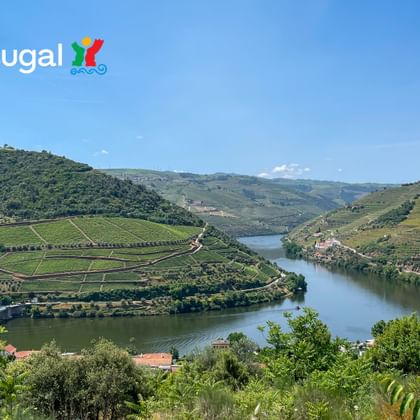
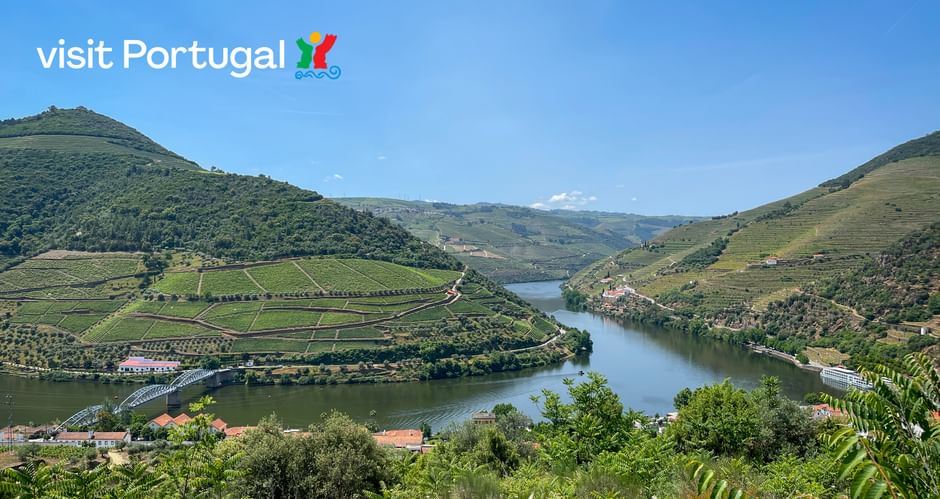
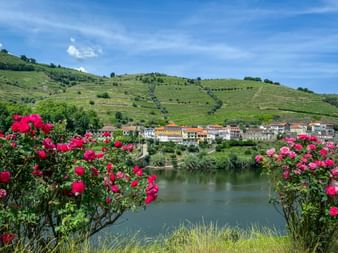
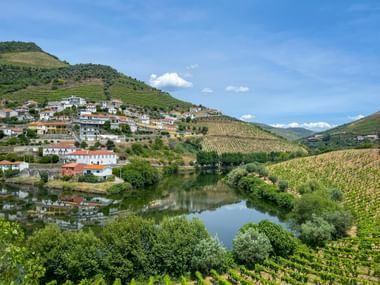
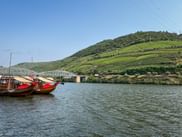
Panoramic view of the Douro River winding through terraced vineyards on hillsides. A bridge crosses the river, with the Visit Portugal logo visible.

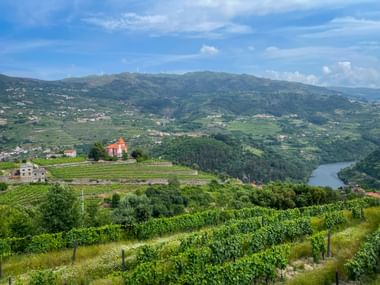
The Douro Valley is one of Portugal’s most iconic regions. Endless rows of terraced vineyards, historic quintas, and the shimmering river define this unique cultural landscape. With Eurobike, you’ll explore the area at your own pace and in a relaxed way: along quiet paths beside the Douro, through small villages, past rustic taverns and secret viewpoints. Around every bend, new vistas, charming wine towns, and genuine encounters await. Our route blends well-known highlights with unexpected discoveries, revealing the Douro Valley as the locals love it. Let yourself be inspired and experience a cycling tour brimming with flavor, culture, and unforgettable views.

Panoramic view of the Douro River winding through terraced vineyards on hillsides. A bridge crosses the river, with the Visit Portugal logo visible.
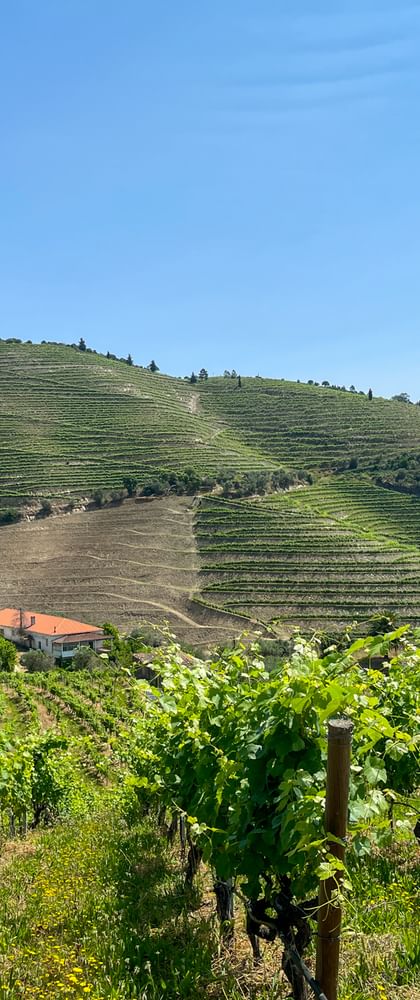
Terraced vineyards in Douro Valley near Castedo with green grapevines in foreground and rolling hills covered in vineyard rows under blue sky.

Experience a one-of-a-kind cycling tour through the UNESCO World Heritage Alto Douro in northern Portugal.

Everyone knows the Douro Valley. Or do they?

Most people think of the Douro Valley and picture its famous terraced vineyards, port wine, and the well-known towns of Pinhão or Peso da Régua. But our cycling tour begins where many travelers to Portugal have never set foot: in Bragança, in the far northeast of the country. This historic fortress town is the starting point for a cycling tour through one of Portugal’s most unspoiled regions.

The very first stage to Macedo de Cavaleiros shows what makes this tour so special. The route leads along quiet roads and side paths through the wide-open landscapes of Trás-os-Montes, past small villages, olive groves, and untouched nature. Here, you’ll encounter more flocks of sheep than tour groups and experience a Portugal that has preserved its authentic character in many places.


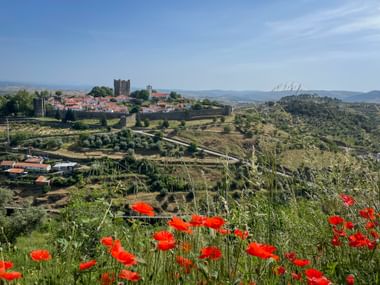
Red poppies in foreground with panoramic view of Bragança, featuring a medieval tower, terraced hillsides, and distant mountains under blue sky.

A landscape made for wonder


Gradually, you approach the famous Douro Valley. It’s this contrast that makes the cycling tour so captivating: from the little-known hinterland, the route leads, mile by mile, into one of Europe’s most spectacular wine regions. As you enter the UNESCO World Heritage area, the landscape changes dramatically: the Douro becomes your constant companion, the slopes grow steeper, and the iconic terraced vineyards now shape the region’s scenery.

Traveling by bike, you’ll also discover those hidden moments that most visitors miss: a solitary viewpoint, a shady spot between almond and olive trees, or a tiny village chapel overlooking the vines. This quieter, more peaceful side of the Douro Valley often lies just off the path. That’s why the region feels so much more authentic and genuine when explored on two wheels.

Insider tip: It’s often the small, barely marked spots right along the cycling route, with their unique panoramic views, that linger in your memory the longest.

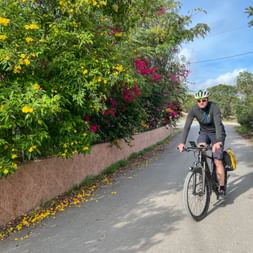
Cyclist with white helmet and turquoise jacket viewing dirt path through green valley under blue sky with white clouds in Douro Valley.

The stars of Portugal’s river valley

UNESCO World Heritage landscape

Since 2001, Alto Douro has been a UNESCO World Heritage Site. The award recognizes not only the breathtaking natural setting, but above all the centuries-old cultural landscape. Generations of winemakers have shaped these steep slopes, stone by stone, creating a region now considered one of the most beautiful and impressive in Europe.

Spectacular terraced vineyards

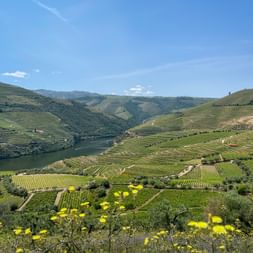
The vineyards stretch along the steep hillsides like giant staircases. Especially around Pinhão and on the way to São João da Pesqueira, the artfully constructed terraces define the landscape and turn every cycling stage into a panoramic ride.

Home of world-famous port wine

Portugal’s most renowned wine has its roots in the Douro Valley. Historic wineries and quintas invite you to immerse yourself in centuries-old winemaking traditions. It quickly becomes clear why a fruity Ruby Port matures differently than a nutty Tawny Port.

Viewpoints high above the river valley

Some of the most spectacular viewpoints include the Miradouro de Casal de Loivos above Pinhão, the panoramic platform at São Leonardo da Galafura, and the secluded Mirador of São Cristóvão do Douro. The climbs by bike are challenging, but you can also reach them comfortably by car or taxi.

Peso da Régua and Pinhão

These two towns are considered the heart of the Douro Valley. One is known as the center of the port wine trade and the gateway to the famous wine region, while the other enchants with its picturesque setting amid terraced vineyards.

The Douro’s hidden side

That’s where the real adventure begins

On a bike, there’s time for the little discoveries: spontaneous photo stops, a break under an almond tree, or a quick detour to a village like Provesende or Favaios that wasn’t even on the day’s plan. Winemakers work among the vines, and in the streets, people still chat instead of scroll. If you look closely, you’ll find historic village squares, centuries-old churches, and viewpoints known only to locals. In Favaios, it’s worth stopping for the traditional bread, still baked here according to old recipes. Provesende delights with its manor houses and sweeping views of the surrounding vineyards.

These are the moments that stay with you the longest: a friendly nod from a winemaker, a spontaneous tip for the best restaurant in town, the little bistro with no English menu but the best coffee of your tour, or an unplanned stop at Ferrão train station, where nostalgic trains pass by the Douro’s banks and time seems to slow down.

Covelinhas village along the Douro River with terraced vineyards on hillsides. White houses reflect in calm water under blue sky.

3 special places in Alto Douro

Small detours, big impressions

Provesende

At around 700 meters above sea level, the historic wine village of Provesende awaits. Cobblestone streets, 18th-century manor houses, and stunning views over the terraced vineyards create a unique atmosphere. Strolling through the lanes, you get a sense of what life in the wine region might have looked like decades ago.

Favaios

While many visitors focus on the well-known wine towns along the river, Favaios, at 650 meters above sea level, tempts with regional specialties and authentic village life. The town is famous for its Muscat wine, “Moscatel de Favaios,” and its traditional four-cornered bread. Small bakeries, cozy cafés, and tastings in a family atmosphere make Favaios a rewarding stop.

Barcos

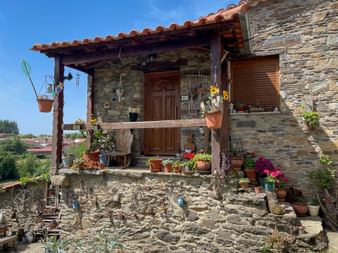
Small, charming, and surprisingly authentic: the medieval village of Barcos has fewer than 600 residents and enchants with narrow lanes, stone facades, and its Romanesque church, Santa Leocádia. Among historic houses and flower-filled balconies, time seems to stand still. The village fee.

Did you know? This is how the famous port wine is made.

Port wine can only be produced in the Douro Valley. Its secret lies in the production process. During fermentation, brandy is added, which stops the fermentation early and preserves some of the grapes’ natural sweetness. The wine then matures for several years before finally making its way into your glass.

Good to know: The impressive terraced vineyards that shape the landscape today were built by hand over many generations. When you see the steep slopes for yourself, you’ll truly appreciate this achievement.

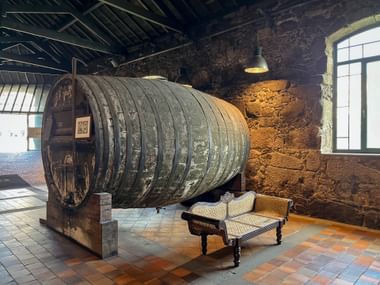
Large wooden port wine barrel in historic Burmester cellar in Porto with stone walls, pendant light, and ornate bench in foreground.
Not all port wine is the same
Athletic

If you think port wine is just a glass of red dessert wine, the Douro Valley will surprise you. Depending on how it’s aged, port wine develops a wide range of flavors and personalities.

  • Ruby Port: The young, fruity classic matures briefly in large barrels, retaining its deep red color and aromas of cherries, plums, and wild berries.
  • Tawny Port: This port wine ages much longer in smaller wooden barrels. Contact with oxygen turns its color to amber, and it delights with notes of nuts, caramel, figs, and dried fruit.
  • White Port: Less well-known, but extremely popular in Portugal. Made from white grapes, it ranges from dry to sweet.
  • Rosé Port: The modern newcomer among port wines. Fresh, fruity, and light, with flavors of strawberries and raspberries.
  • Vintage Port: The king of port wines. Vintage Port comes from a single, exceptionally good year and, after a short time in the barrel, continues to mature for many years in the bottle.
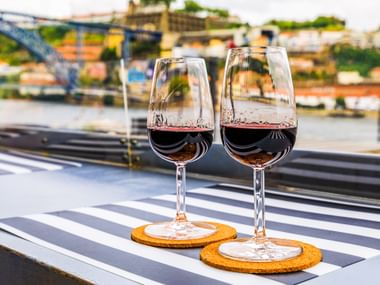
Two glasses of port wine on cork coasters with blurred view of Douro River and Porto cityscape with bridge in background.

The flavors of the Douro Valley

Savoring the Douro Valley is as much a part of the journey as the daily miles on your bike. Portugal is famous not only for its wine, but also for its culinary delights. From hearty traditional meat dishes to sweet treats, the region offers a diverse array of flavors.

Pastéis de Nata

These crispy puff pastry tarts with creamy vanilla filling are best enjoyed still warm from the oven. Whether for breakfast, as an afternoon snack, or with an espresso, pastéis de nata are simply part of life in Portugal.

Four golden Pastéis de Nata with caramelized tops on a white plate. Coffee cup and green bottle visible in the background.

Queijo da Serra

A creamy Portuguese mountain cheese with an intense aroma. Its soft texture makes it a popular appetizer and a staple on many regional tasting platters.


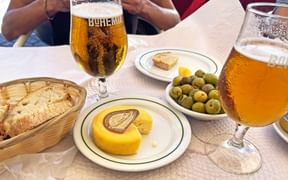
Table setting with beer glasses, bread basket, yellow cheese wheel, and green olives on white plates during lunch in Portugal.

Almond cake

The Douro Valley is home to countless almond trees, which transform the landscape with their blossoms in spring. From crunchy candied almonds to moist almond cakes, those with a sweet tooth will find plenty of regional specialties here.

Ring-shaped almond cake with sliced almonds on top, served on a turquoise plate. The cake has a golden-brown color and dense texture.

Port Wine

Of course, the region’s most famous product can’t be missed. Whether it’s a fruity Ruby, a nutty Tawny, or a refined Vintage Port, a tasting at a traditional quinta is a highlight of every journey to the Douro Valley.

Hand pouring red port wine into a glass with Douro Valley cityscape in the background. Two wine glasses stand on a white table.

The most beautiful cycling tours in Portugal

Book until 28.02.2027 and get your early bird bonus!
Get an early bird bonus now!
Until 28.02.2027
Travel search
/en/search

Secure your next active break early and choose between a 20 euro early booking discount or a branded saddle bag.

Where do you want to go?

Travel search
Secure discount
Town Hall Square Trieste
You now receive special conditions when you book a trip.