1
Jump to content
(Link opens in a new tab)
Jump to footer
(Link opens in a new tab)

Pedal to Most, New Wine & Cider

Where Europe’s fruit-growing traditions come alive
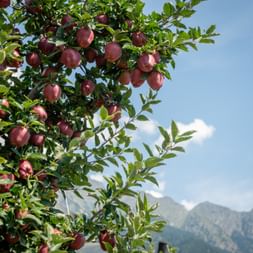
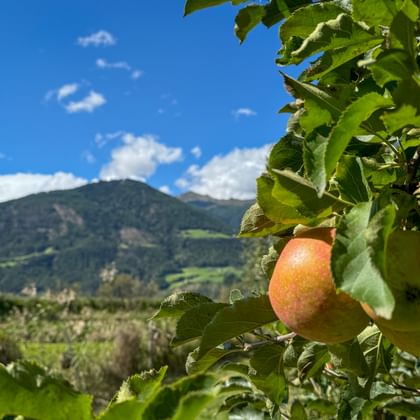
Ripe apples hanging on a tree with green leaves in Prad. Mountains and blue sky with white clouds visible in the background.

When the wind picks up and the days grow shorter, it’s the start of most, cider and new wine season across many regions of Europe. Whether it’s classic pear must in Upper Austria, Swabian must in the Neckar Valley, cidre and poiré from Normandy’s orchards, or fresh new wine during the harvest in Austria and Germany’s wine regions, few drinks are as deeply connected to the local landscape, traditions, and culture.

Fruit-growing regions, vineyards, and family-owned farms have shaped these areas for centuries. Exploring these landscapes by bike means discovering a culinary heritage that’s intertwined with every destination. Join us as we reveal where Europe’s most famous must and new wine regions are found — and which Eurobike Cycling Holidays tours will lead you right to their heart.
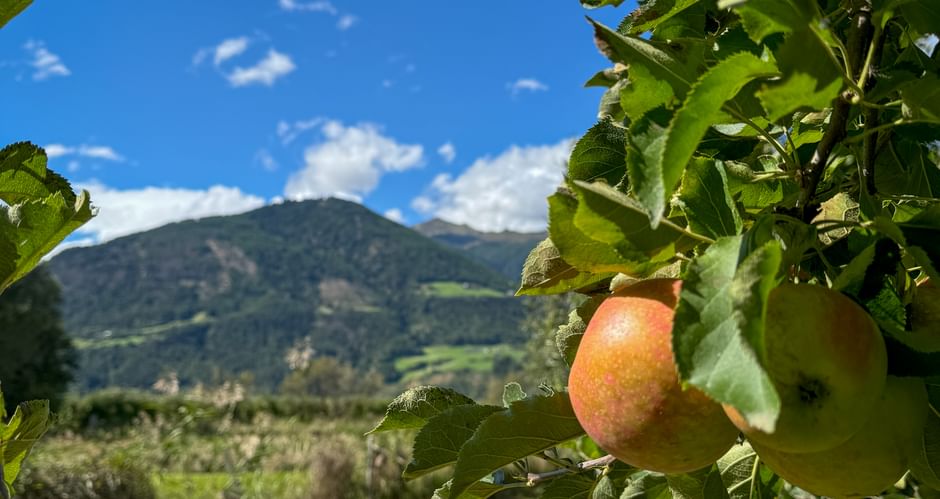
Ripe apples hanging on a tree with green leaves in Prad. Mountains and blue sky with white clouds visible in the background.

What you should know about Most...

Most, also called Cider, is crafted from the fermented juice of apples.

When made with pears, it becomes pear cider or poiré. The region’s distinctive pear varieties create flavors ranging from delicately fruity to bold and spicy.

Depending on where it’s made, most usually has an alcohol content of 4 to 8 percent.

It can be still or slightly sparkling, enjoyed pure or served with sparkling water as a spritzer.

Apples and pears are typically harvested from August to October. Many farms open their doors in autumn for tastings during harvest and pressing time.

Some of Europe’s most renowned cider regions include the Mostviertel in Lower Austria, the traditional orchard landscapes of Baden-Württemberg, and the famed cider country of Normandy.

What you should know about new wine...

New wine — known as “Sturm” — is crafted from partially fermented red or white grapes, making it the delightful stage between grape juice and wine.

It’s a true seasonal highlight, available only in autumn during the grape harvest.

You’ll find both white and red new wine; the fresh version is sweet, fruity, and lightly sparkling. As fermentation continues, it becomes drier and more robust.

New wine is especially popular in Austria, particularly in Styria and the Weinviertel region. In Germany, it’s known as Federweißer or Federroter.

Because fermentation continues in the bottle, these are never fully sealed — so always store upright and keep cooled.

Baden-Württemberg

Tradition between Neckar and the Swabian Alb

For centuries, traditional orchards have shaped the landscape between the Neckar Valley and the Swabian Alb. Apples and pears from these meadows are used to make Swabian cider—a drink with deep roots in the region’s heritage. The Swabian "Mostviertel", around Backnang, Aspach, Weissach im Tal, and the surrounding villages, is especially renowned.

In autumn, cider taverns and guesthouses invite visitors to savor regional specialties and local cider. With a variety of cycling tours, Eurobike guides you through Baden-Württemberg’s orchard and culinary landscapes—from the Neckar region to the Black Forest, Rhine, and Lake Constance.

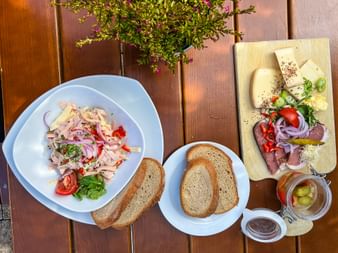
Insider-Tip: After the fruit harvest, people gather in so-called "Besenwirtschaften"—seasonal taverns where local producers sell their goods. The traditional broom placed outside lets guests know they’re welcome. Cider is typically served with a hearty "Vesper": country bread, bacon, sausage, cheese, and homemade spreads.

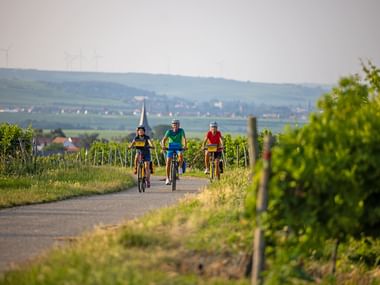
Three cyclists riding on a paved path between vineyards with wind turbines visible on distant hills and a church steeple in the background.
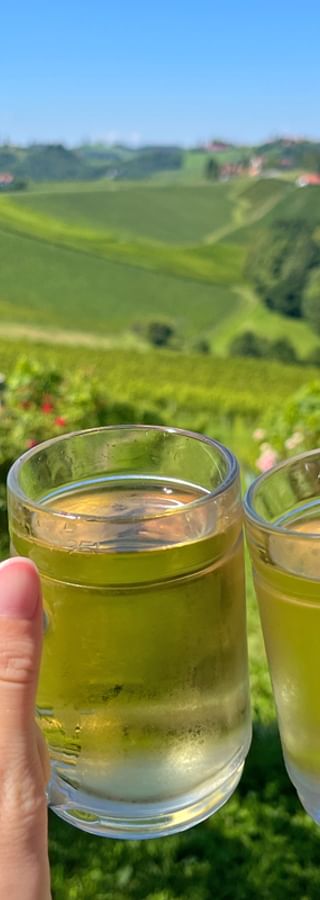
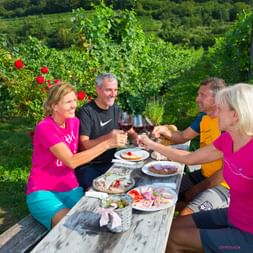
Two hands toasting with glasses of apple juice over vineyards in Gamlitz, South Styria. Rolling green hills and scattered houses under blue sky.

From fruit to glass...

Cider (Most) is made from apples or pears that are pressed after harvest. Yeast transforms the fruit sugars into alcohol. Depending on desired flavor and local tradition, the most matures for several weeks or even months. The result is a regionally distinct drink—known as most, apple cider, pear cider, cidre, or poiré, depending on its origin.

New Wine (Sturm) on the other hand, is enjoyed during fermentation: this partially fermented grape most is sweet, lightly sparkling, and seen as a harbinger of the new wine vintage.

Sturm in Germany

Federweißer and Federroter

In Germany, Sturm is best known as Federweißer (from white grapes) or Federroter (from red grapes). Especially in the wine regions of the Palatinate, Rheinhessen, and Baden-Württemberg, Federweißer is an essential part of the grape harvest and signals the arrival of the new wine vintage. When fresh, it tastes sweet, fruity, and lightly sparkling, gradually maturing into wine.

Insider-Tipp: Federweißer is traditionally enjoyed with warm onion tart (Zwiebelkuchen). This classic pairing of young wine’s fruity sweetness and savory pastry is a true autumn highlight in many German wine regions.

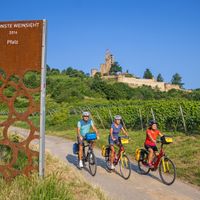
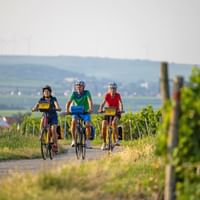
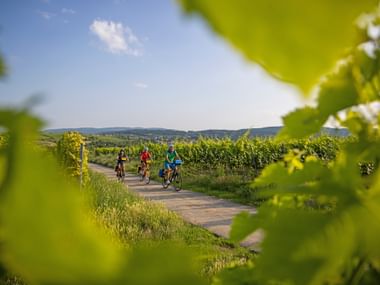
Three cyclists riding on a paved path through green vineyards in the Palatinate wine region, framed by grape leaves, with hills in background.

Mostviertel in Lower Austria

Home of Pear Most

When it comes to cider in Austria, all roads lead to the Mostviertel in Lower Austria. Between the Danube and Ötscher lies Europe’s largest contiguous pear orchard region. At its heart is the “Moststraße”, south of the Danube between the towns of Amstetten, St. Valentin, Haag, Seitenstetten, and Waidhofen an der Ybbs. This 200-kilometer culinary route winds through gentle hills, passing pear trees, traditional farmsteads, cider taverns, and countless producers who keep the region’s cider culture alive.

Insider-Tipp: In the local cider taverns (Mostheurigen), cider is traditionally served with a hearty snack—homemade spreads, bacon, smoked meats, cheese, and fresh country bread complementing the fruity and spicy notes of pear cider.

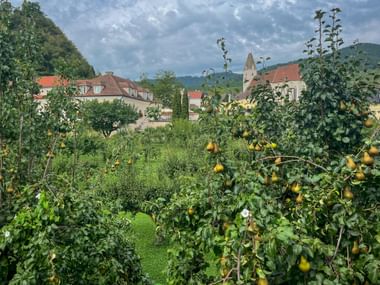
Pear trees with ripe yellow fruit in foreground, village of Spitz with church tower and traditional buildings behind, green hills in background.

“Those who explore the Mostviertel by bike experience the region with all their senses. A view of the pear trees and a glass of most at the end of the day make the experience complete.”

Young man Manuel Gangl wearing a gray-blue polo shirt, standing in front of a light wooden plank wall, smiling at the camera.
Manuel Gangl

Travel Specialist

Sturm Tradition in Austria

Weinviertel

As Austria’s largest wine-growing region, the Weinviertel plays a central role in the Sturm season. Around towns such as Retz, Poysdorf, Falkenstein, and Mailberg, harvest time marks the arrival of this sweet, lightly sparkling drink—a herald of the new vintage. In the region’s characteristic cellar lanes, wine taverns, and vintners’ courtyards, Sturm is traditionally served and is just as much a part of autumn for locals as the grape harvest itself.

To the tours
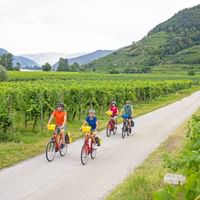
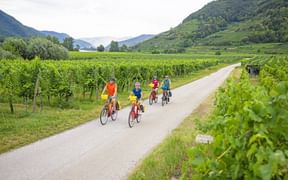
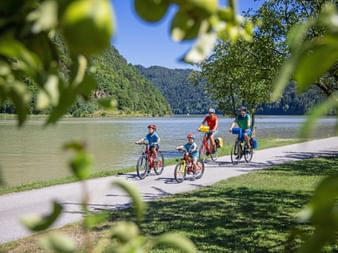
Group of cyclists with yellow panniers riding through vineyards on the Danube bike path. Green terraced hillsides and mountains in background.

Wachau

Along the Danube and in the surrounding wine regions of Wachau, Kremstal, and Kamptal, Sturm is a staple on the autumn menus of many traditional wine taverns (Heurigen).

To the tour
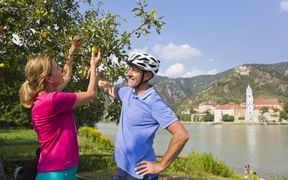
Woman picking apples from tree while cyclist in helmet watches, with Danube River and Wachau village with white church tower in background.

Styria

Southern Styria, Western Styria, and the Styrian Volcanic Region are among Austria’s most popular areas for Sturm. In autumn, Sturm is served in rustic wine taverns (Buschenschänken and Heurigen) and is an essential part of harvest time. Especially famous is the pink Schilchersturm from Western Styria.


To the tours
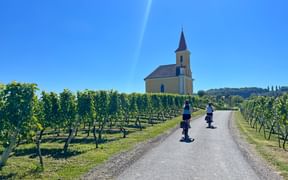
Two cyclists riding through vineyards in South Styria towards a yellow church with pointed steeple near Gamlitz under clear blue sky.

Normandy and Brittany

Cider from France

In France, the term “Most” isn’t commonly used—instead, it’s called cider, or “cidre.” This sparkling apple wine is especially tied to the regional identity of Normandy and Brittany.

Normandy is the heart of French cider culture. Regions such as Pays d’Auge, Cotentin, and Perche are characterized by vast apple orchards. Traditional cider apples here are used to produce not only cider, but also Calvados—an apple brandy distilled from cider—as well as Pommeau, an aperitif made from fresh apple juice and Calvados. Both are signature parts of local gastronomy and are crafted by many farms and in traditional cideries.

Brittany also boasts a long cider-making tradition, with the famous Cidre de Cornouaille AOP, a protected designation of origin. Rugged coastlines, small harbor towns, Celtic traditions, and expansive apple orchards define the region, making Brittany one of France’s best-known cider landscapes.

Insider-Tipp: When visiting Brittany, be sure to stop at a crêperie: start with a savory galette, follow with a sweet crêpe, and enjoy a glass of regional cider—simple, authentic Breton pleasure!

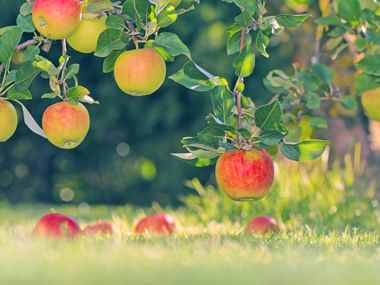
Red and yellow apples hanging on branches with green leaves in a sunny garden. Several fallen apples lie on the grass below.
Why wait? Your 2027 cycling holiday starts today!
Discover now & book
/en/cycling-holidays/2027
Why wait? Book for 2027!

Immerse yourself in the Italian dream of la dolce vita, or let yourself be drawn along the beautiful Blue Danube—your next dream cycling tour is waiting for you. Book our top tours for 2027 now!

Discover now & book
Cycling holidays 2027
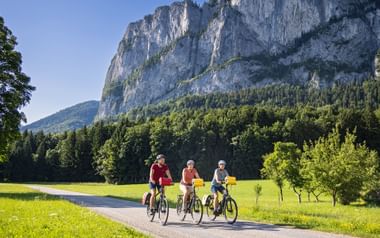
Three cyclists cycle past the Drachenwand rock formation on Lake Mondsee.
You now receive special conditions when you book a trip.